
guerrilla build

built to own.
never to rent.

Websites, apps and systems for solopreneurs and small businesses tired of working around their tools.

Find your way out
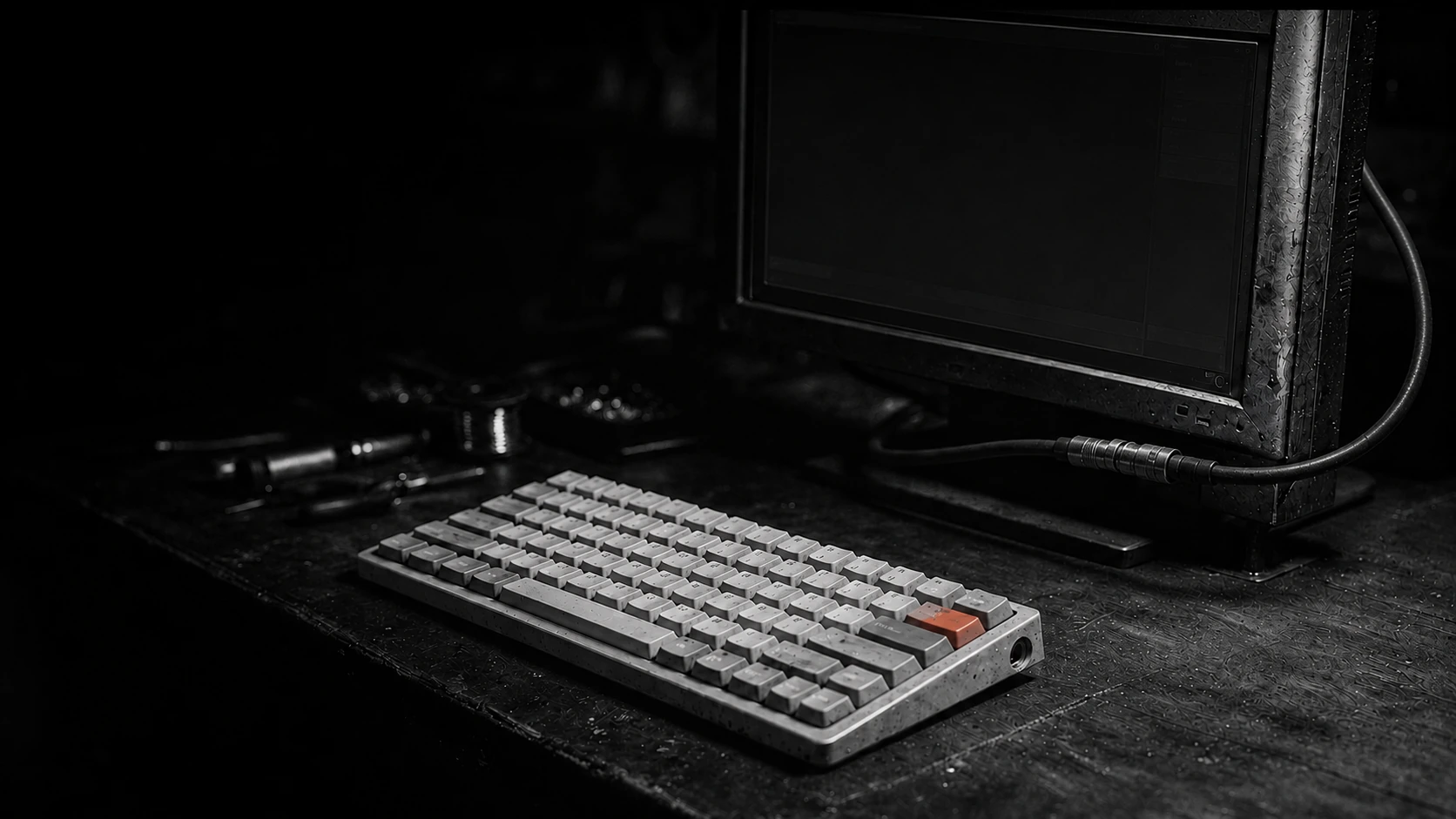
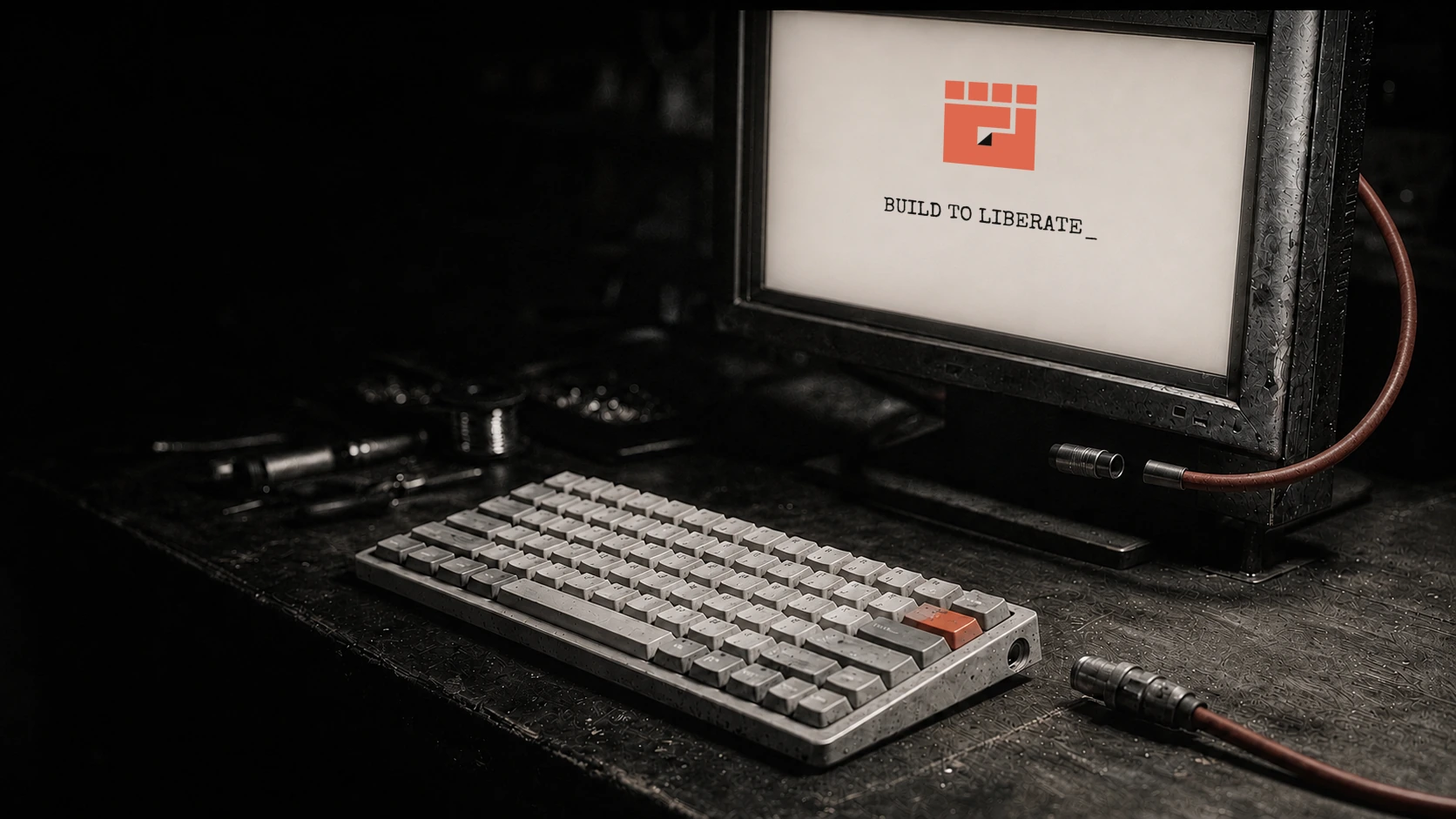
An industrial workbench with a dormant monitor and one red keyboard key
01 / The problemControl, taken back

You used to own your software.

A disc you bought once. Software you installed. Work you got on with.

You bought a disc. Installed a tool. Got on with your work. Now it can feel like another subscription, another workaround, another thing asking for your time.

Another subscription. Another workaround. Another evening lost. Your tools should give you time back.

Let’s put you back in control.

What would you take back?

  1. 01Your software

    Which subscription would you cancel if you could own the tool?Which tool would you rather own?

    The invoice keeps coming. The tool barely changes. I’m building toward a different deal: software you can pay for once and keep, or open-source tools you can inspect and shape.My aim: tools you can keep. Pay once where it fits, open source where we can.

  2. 02Your data

    Which data should never have to leave your device?What should stay on your device?

    Client conversations. Private notes. Your unfinished thinking. I start with what can stay on your device, with local processing, portable files and clear choices about outside services.I start with what can stay local, then make the choices about outside services clear.

  3. 03Your time

    What would you automate to get part of your life back?What would you stop doing by hand?

    Copying, chasing, sorting, retyping. I want the repeatable parts to run quietly, so you choose how much to automate and what still deserves your attention.I build around the repeatable work. You decide what to automate and where to stay involved.

02 / The workshopWhy I build

I built my way out. Now I’m opening the workshop.I built my way out. Let’s build yours.

I’m Mehdi. I ran into the contracts, the cloud uploads and the tools that made simple work expensive. I started building alternatives for my own life. Now I’m sharing what works and inviting other builders in.

The aim is bigger than my own projects: a community that helps build, improve and keep these tools useful. Pay once where it makes sense. Open source where we can. More control for the person using it.

I’m Mehdi. These tools began with my own frustrations. I’m opening the workshop to people who want to build, improve and share a way out together.

Pay once where it fits. Open source where we can. Bigger than one builder.

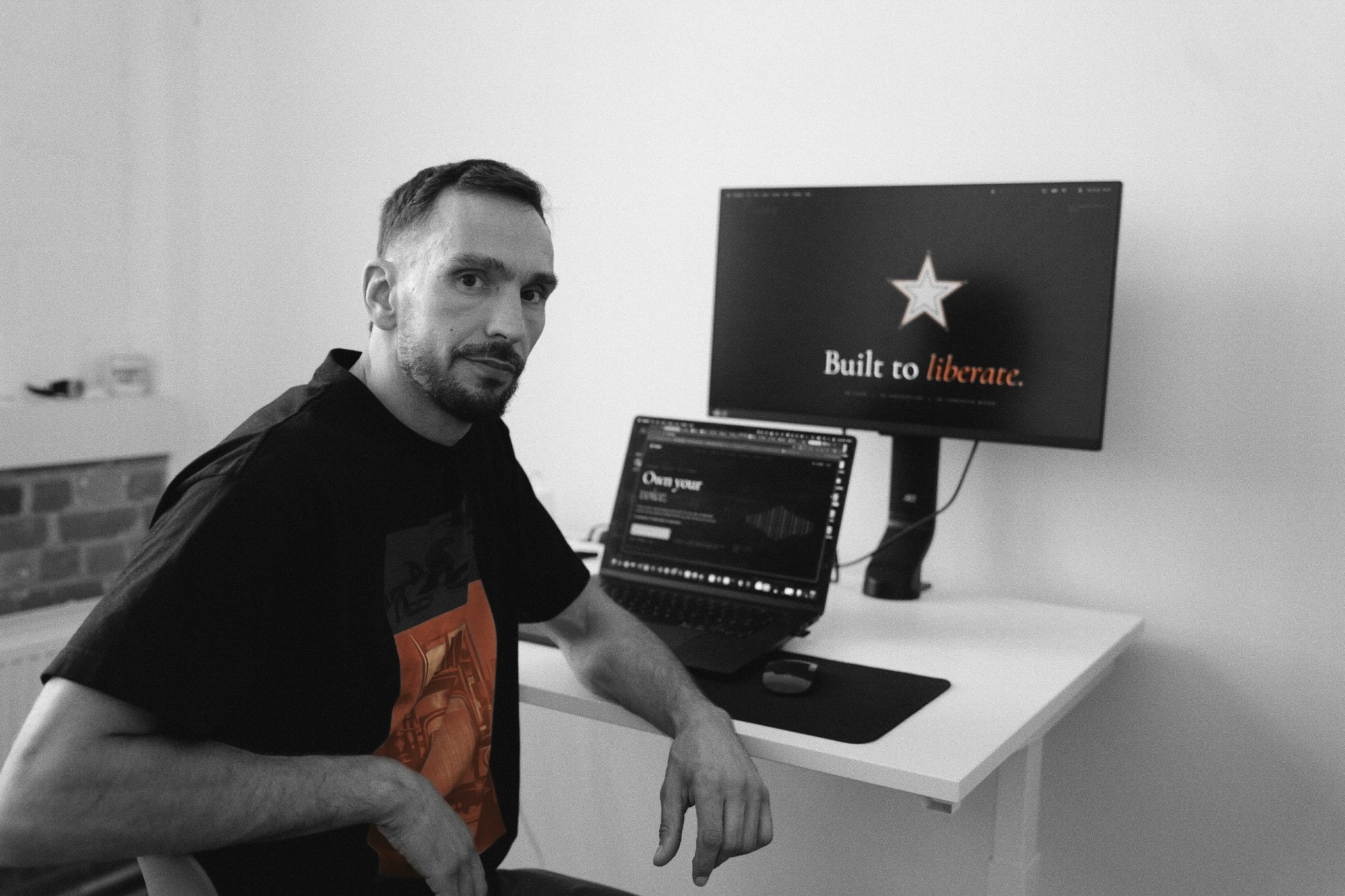
Mehdi at his studio desk, photographed in black and white with red accents on his shirt and screen
Photograph. Mehdi in the studio.
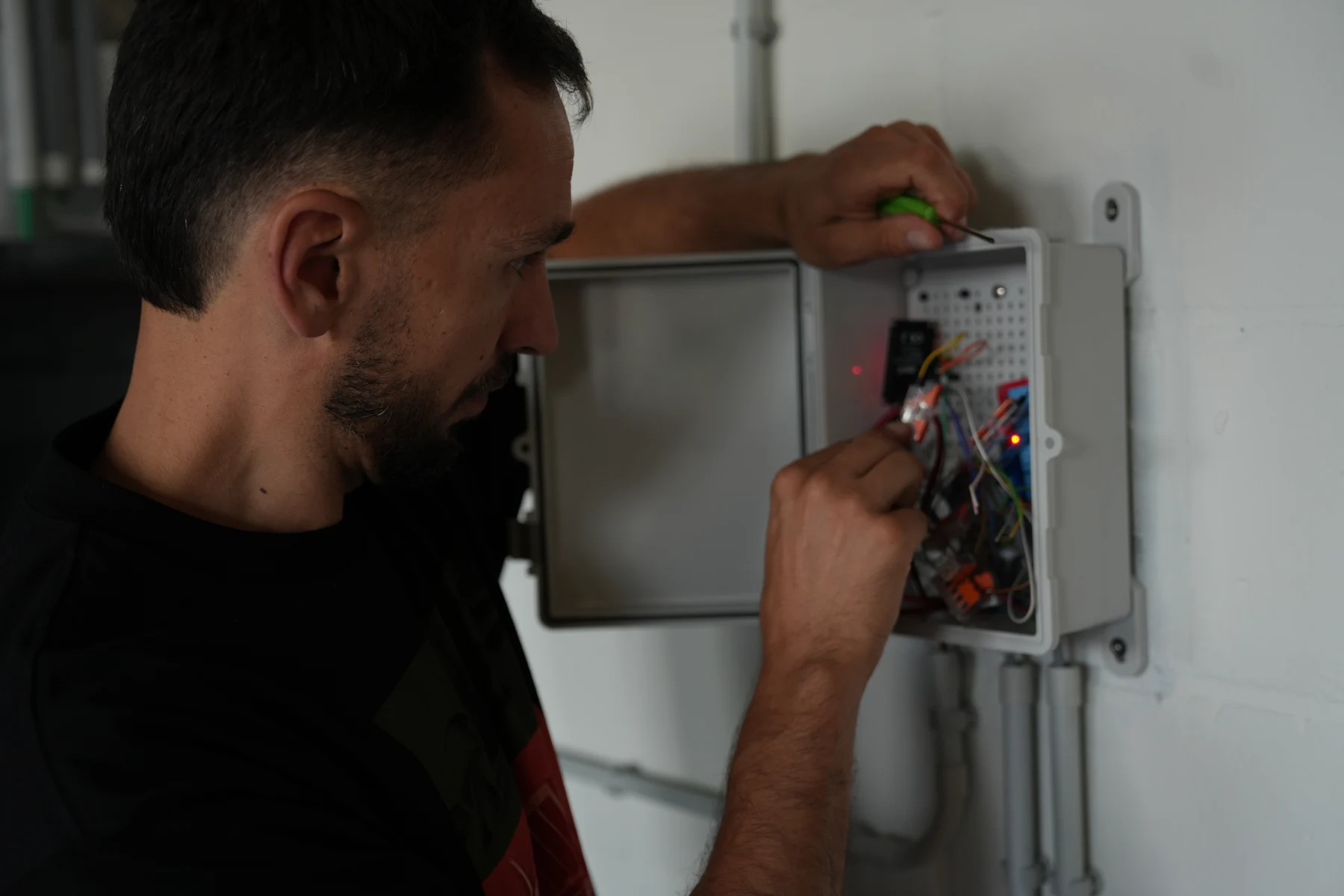
Mehdi wiring the electronics inside a wall-mounted control cabinet
Photograph. Hands on, beyond the screen.
What “own” means here

Custom builds: we agree up front what you receive. Source code, accounts and access, your data in an exportable format, and a practical handover.

Running costs stay real. Hosting, third-party services and maintenance can carry their own costs. You decide who does that work and where it runs.

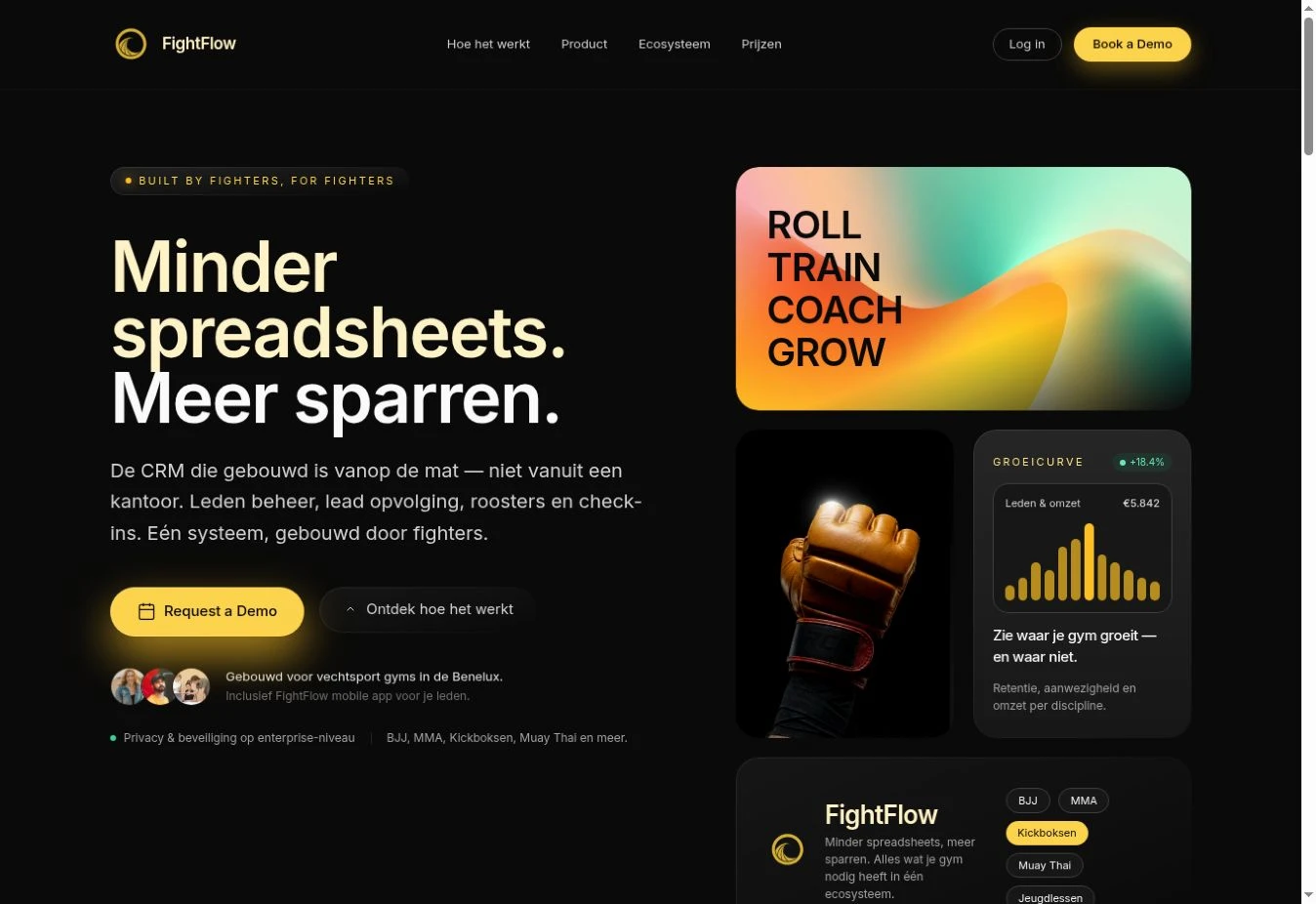
My own products each have their own terms. CloWhi centres on local transcription; FightFlow and brandcarry are live products with their own pricing. Pay once and open source are the direction I build toward, not a label on every tool.

03 / The buildsWorking things

Every build started with
“I’m tired of this.”
I got tired.
I built these.

Different parts of my life. The same decision to build a way out.

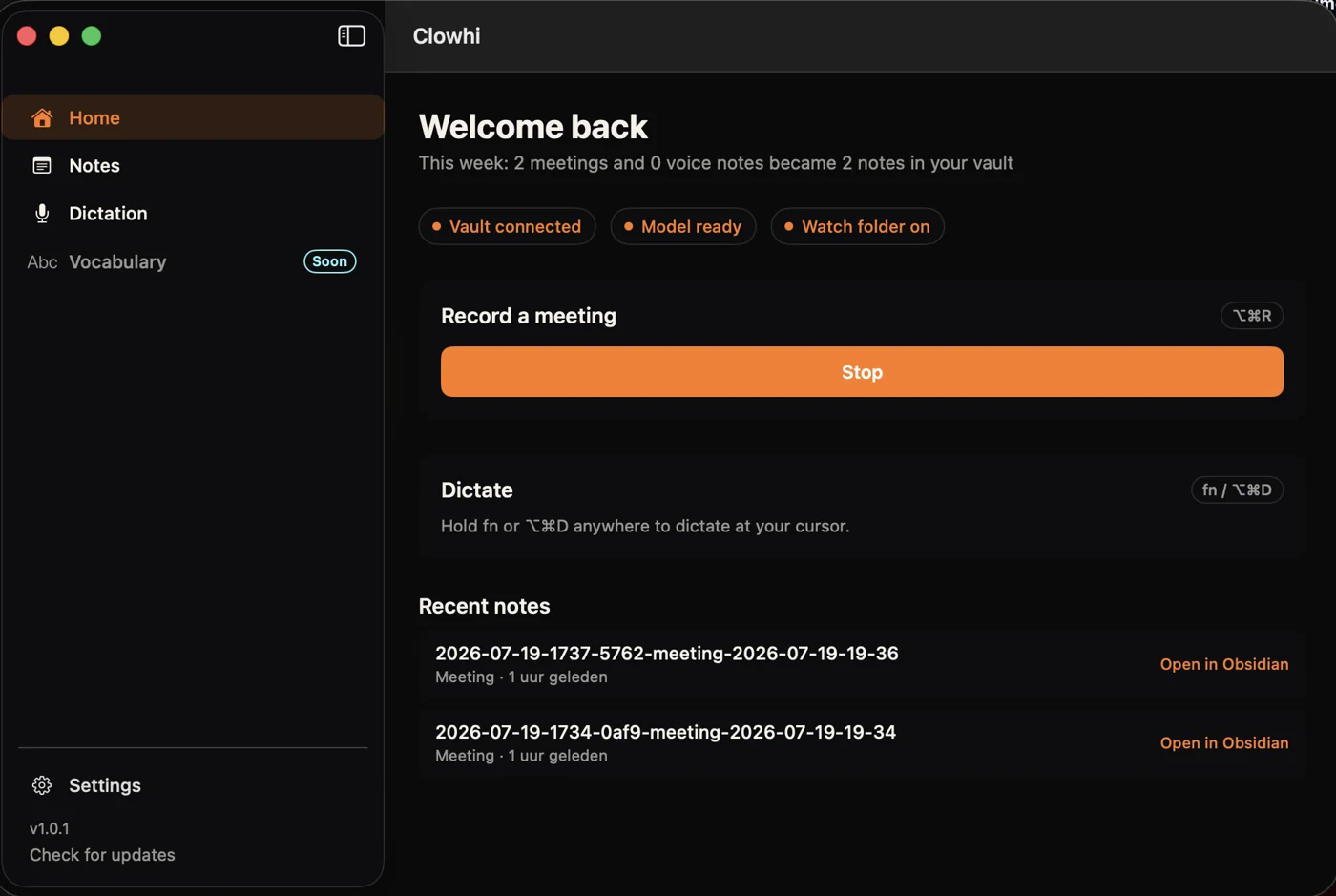
CloWhi Mac app: meeting recording, dictation and a notes vault
02 / ToolsmacOS app

CloWhi

My conversations weren’t meant for someone else’s server.

Meetings, client details, half-formed ideas. I was tired of uploading that material and hoping confidentiality would hold. I wanted useful notes without handing over the conversation.

That became CloWhi: transcription on my Mac, dictation at the cursor and notes as portable Markdown.

I wanted useful notes without uploading every conversation.

So I built CloWhi: local transcription and Markdown files I can take with me.

Transcription runs locally. Optional AI summaries use an external provider.

Inside the buildThe full story
The pain

Meetings, client details, half-formed ideas. I was tired of uploading that material and hoping confidentiality would hold. I wanted useful notes without handing over the conversation.

What I built

That became CloWhi: transcription on my Mac, dictation at the cursor and notes as portable Markdown.

  • Dictation into Mac apps
  • Bot-free meeting capture
  • Voice notes to Markdown
  • Local transcription
The build

CloWhi runs Whisper locally on a Mac. Dictation lands at the cursor, meetings become notes, and voice files become plain Markdown.

What it makes possible

A small, focused voice workspace that leaves useful text in your hands. Transcription runs locally; optional AI summaries use an external provider with your own API key. The public website is available, with the packaged Mac edition preparing for release.

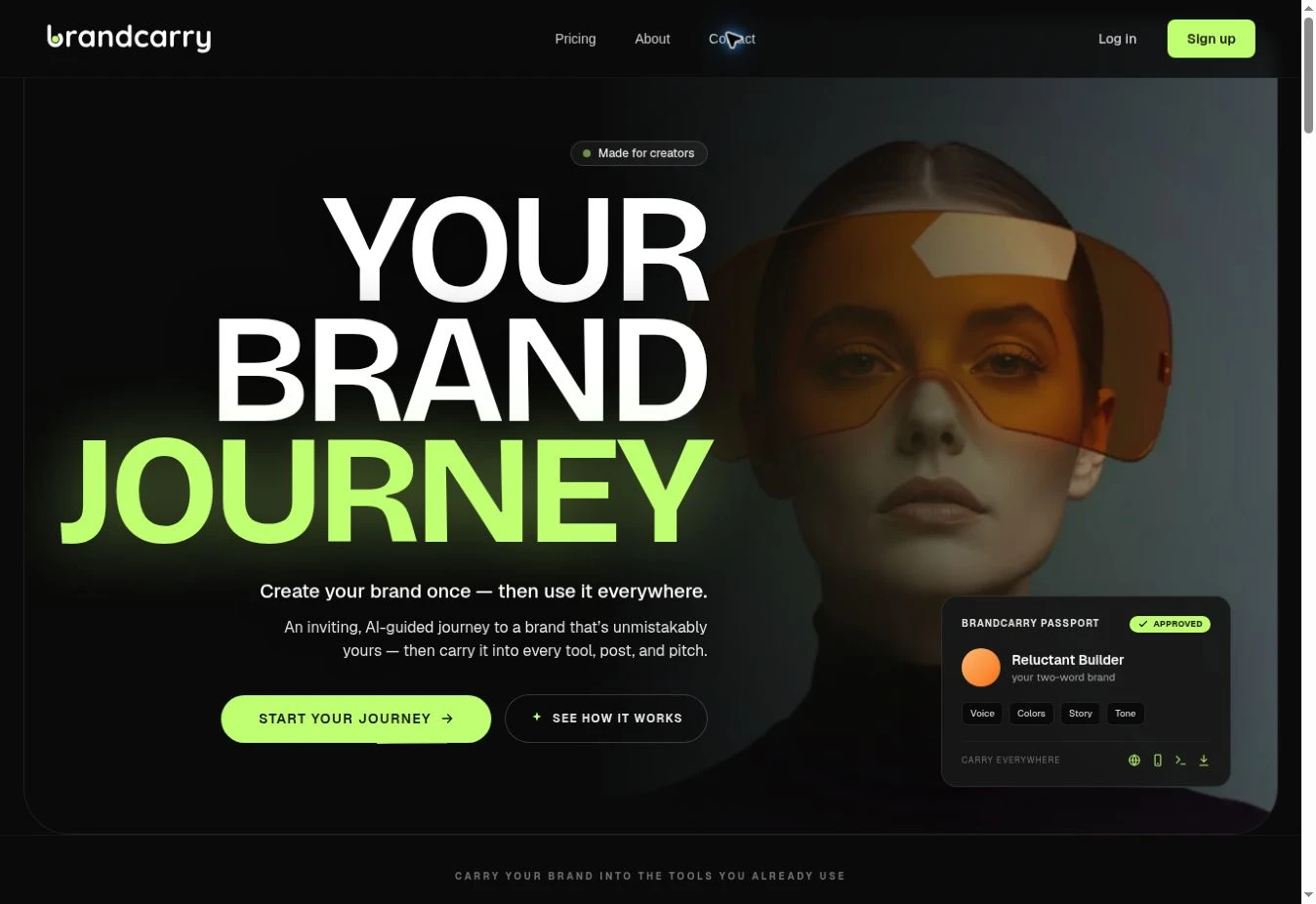
brandcarry. public website
03 / ToolsLive product

brandcarry.

I was tired of explaining myself from scratch.

Between creative subscriptions and expensive branding advice, it was easy to spend more on presenting my work than on making it. Every new tool asked me to explain who I was all over again.

I built brandcarry to turn that thinking into a brand passport: values, voice, story and visual direction you can take into your next tool. A personal brand should belong to the person building it.

More creative subscriptions. More branding advice. Still explaining myself from scratch.

I built brandcarry to put my voice, story and visual direction in one portable brand passport.

Inside the buildThe full story
The pain

Between creative subscriptions and expensive branding advice, it was easy to spend more on presenting my work than on making it. Every new tool asked me to explain who I was all over again.

What I built

I built brandcarry to turn that thinking into a brand passport: values, voice, story and visual direction you can take into your next tool. A personal brand should belong to the person building it.

  • Guided brand discovery
  • Voice & visual identity
  • Approved brand passport
  • AI prompts · PDF · JSON
The build

BRANDcarry guides creators through their values, audience, story and visual identity. Those decisions come together in an approved brand passport, ready to carry into prompts, content and a public brand home.

What it makes possible

One clear source for how a brand looks, sounds and introduces itself. The web experience connects discovery with practical exports, so the thinking can travel with the person doing the work.

More from the workbenchGymScreen, HeldLab, Hest
04 / SportV1 in use · V2 in development

GymScreen

I wanted to coach, not keep answering what comes next. GymScreen puts class information, round timers and club updates where everyone can see them.

05 / HealthLive website

HeldLab

I wanted complex health information to have a clearer starting point. I helped shape HeldLab’s website and results journey so people can find their way through values, context and follow-up.

06 / HealthiOS concept · example data, not a released app

Hest

I kept seeing daily observations scattered across separate places. Hest explores a calmer way to bring those pieces together, with a mobile concept for notes, check-ins and personal context.

04 / Your first stepHow it works

What’s the one thing
you’re tired of doing?

One problem. A 30-minute conversation. A fixed-scope first build.

Scope and price agreed before any code. In English or Dutch.
  1. 01

    Understand the friction.

    One conversation about the thing that costs you time. Thirty minutes, in English or Dutch.

  2. 02

    Agree scope and price before code.

    A written first build: what it does, what it doesn’t, and what it costs.

  3. 03

    Build, then hand over.

    A working first version, a practical handover and clear options for what comes next.

How the first build works
  1. 01

    Understand the friction.

    One conversation about the thing that costs you time. Thirty minutes, in English or Dutch.

  2. 02

    Agree scope and price before code.

    A written first build: what it does, what it doesn’t, and what it costs.

  3. 03

    Build, then hand over.

    A working first version, a practical handover and clear options for what comes next.

05 / Community

Help the revolution.

The aim is a community that builds, improves and keeps these tools useful. Open source where we can. You can follow along and join in.

Find me on GitHub

Follow the builds. Share ideas. Help shape what comes next.

Find me on GitHub
Your first step

Bring your problem.

One problem. A 30-minute conversation. Then a fixed-scope first build, with scope and price agreed before any code.

What would you take back?

Opens your email app with the brief filled in. Nothing is sent until you send it.

Or write directly to hello@guerrillabuild.com